By Wendy C. Wilson
In the corporate world, we often think of resilience as a personal quality – the ability to bounce back when life throws curveballs. But the reality is, for executives, HR leaders, and high performers, resilience is much more than that. Resilience is a leadership strategy. It is the intentional ability to anticipate, adapt, and thrive in environments filled with uncertainty.
I learned this the hard way. As a corporate executive for 35 years, I watched brilliant leaders falter not because they lacked intelligence or technical skill, but because they hadn’t developed resilience as part of their strategic toolkit. When adversity hit, whether it was economic downturns, reorganizations, or personal crises, their lack of resilience created ripple effects across their teams and organizations.
So what does it look like when resilience becomes a deliberate strategy rather than an accidental afterthought?
Navigating Corporate Turbulence
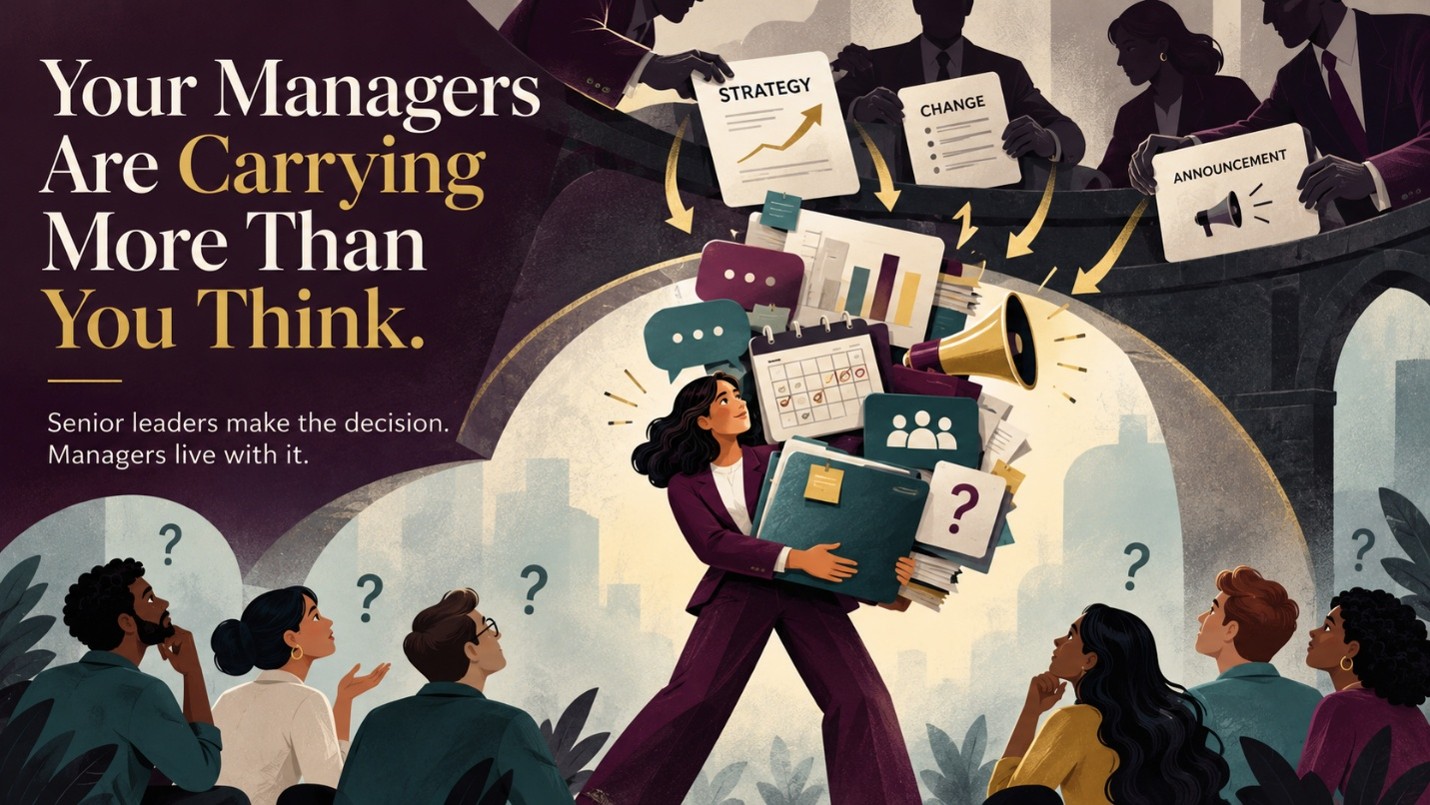
During the recent financial crisis, I led a procurement team that was under immense pressure. Costs needed to be slashed. Suppliers were collapsing. Morale was plummeting. On paper, my job was to cut contracts and renegotiate deals. But I quickly realized the real task was holding my team together. They were anxious, exhausted, and fearful of layoffs.
Instead of rushing into tactical decisions, I paused. I created a communication rhythm, checked in with my team daily, and brought transparency to the uncertainty. I also modeled energy management by encouraging boundaries, taking breaks, and prioritizing clarity over panic. The result? My team not only survived the crisis, we came out stronger, with tighter supplier partnerships and an expanded reputation for reliability.
That experience cemented a lesson: resilience isn’t just about bouncing back. It’s about using adversity as a strategic advantage.
Another Lesson From the Executive Trenches
Several years later, I faced a very different challenge: leading a global procurement negotiation during a major merger. The stakes were high with multimillion-dollar contracts and intense scrutiny from the CEO. Halfway through, one of our key suppliers threatened to walk away, which could have jeopardized the deal.
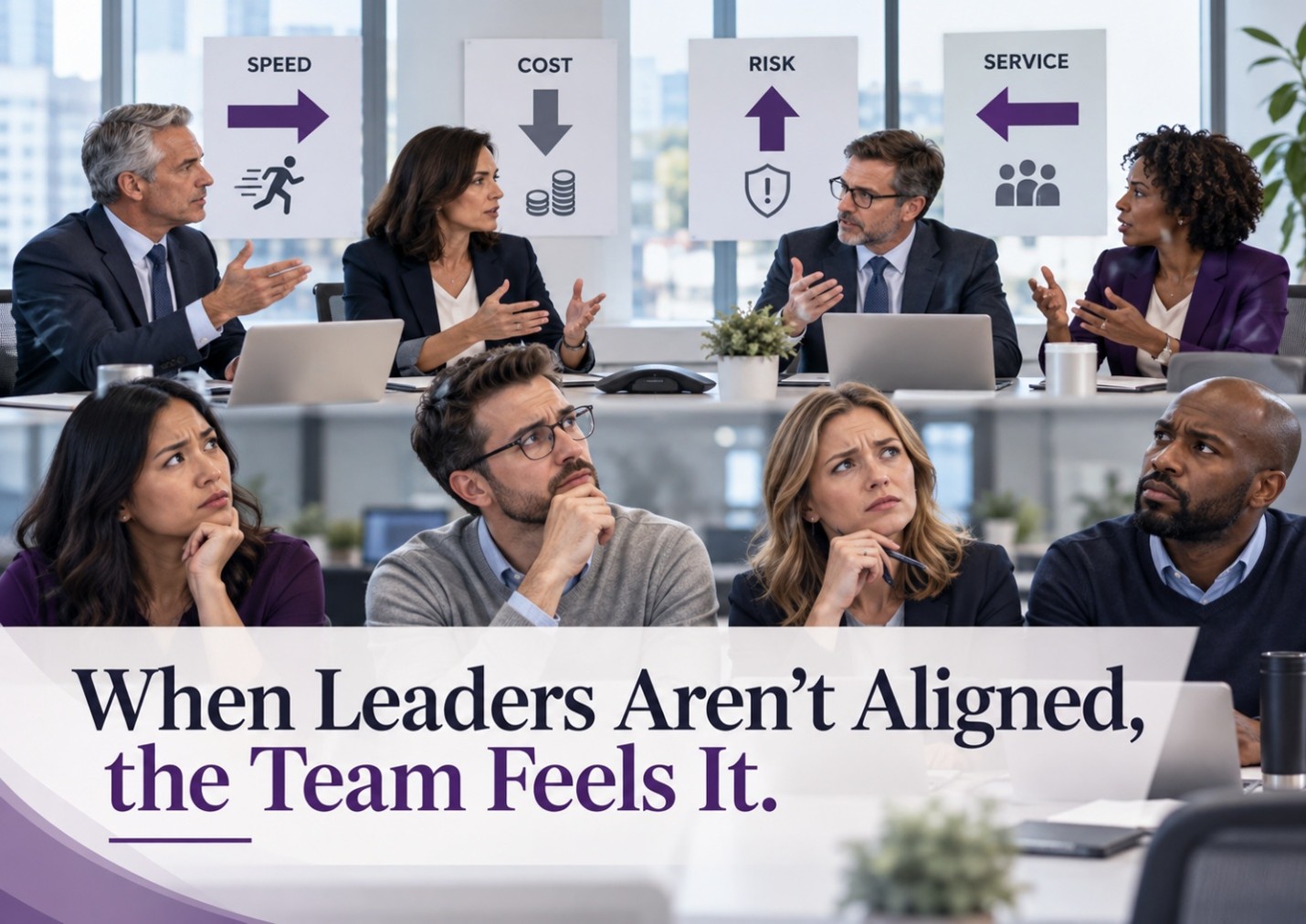
The room grew tense. All eyes turned to me. I could feel the anxiety ripple across my team. Instead of reacting with urgency or anger, I took a pause. I reminded the team of our long-term strategy, calmly reframed the conversation with the supplier, and opened the door to creative problem-solving rather than ultimatums. Within a week, we reached a solution that preserved the partnership and strengthened the overall deal.
That moment reinforced what I had already learned: resilience isn’t just emotional toughness. It’s the ability to bring calm, perspective, and adaptability into high-stakes leadership moments. And just like in the financial crisis, my resilience influenced the entire room.
Why Resilience Belongs in Your Strategic Toolkit
Resilience is not soft or secondary. It is a core competency of effective leadership. Leaders who cultivate resilience as a strategy create organizations that:
- Adapt faster to change instead of resisting it.
- Maintain clarity under pressure, preventing rash or fear-driven decisions.
- Inspire trust, because employees see leaders who remain grounded and transparent.
- Sustain performance, avoiding burnout while achieving results.
Think about it: in volatile markets, adaptability becomes a competitive edge. In industries disrupted by AI and technology, the leaders who can balance optimism with realism guide their teams through uncertainty. Resilience is no longer optional, it’s strategic.
What Research and Case Studies Show
- McKinsey’s 2021 Resilience Report found that companies with strong resilience practices (including agile decision-making and transparent leadership communication) outperformed their peers during the COVID-19 pandemic, delivering shareholder returns 50% higher over two years.
- The Harvard Business Review (2022) highlighted a case study of Microsoft under Satya Nadella’s leadership. By embedding resilience into strategy, encouraging learning, vulnerability, and adaptability, Nadella transformed Microsoft’s culture and doubled its market value within five years.
- Deloitte Insights (2023) showed that resilient leaders who prioritize well-being, clear communication, and adaptability reduce employee turnover by 31%. This highlights that resilience isn’t just good for leaders, it’s contagious across entire organizations.
- Example from Healthcare: During the pandemic, Cleveland Clinic implemented structured resilience practices, including daily check-ins, mental health support, and adaptive staffing. These measures not only reduced burnout but improved patient outcomes, proving that resilience-driven leadership strategies save both people and performance.
These studies confirm what experience shows: resilience, when treated as a strategy, drives both human and business results.
Building Resilience Into Your Leadership Strategy
So how can you build resilience not just personally, but organizationally?
- Make resilience visible.
Don’t treat resilience like an invisible skill. Talk about it openly in your team meetings. Share how you handle setbacks. Acknowledge challenges instead of sweeping them under the rug. - Create communication rhythms.
In times of crisis, silence breeds fear. Set consistent touchpoints with your team. Even if you don’t have all the answers, communicate what you know and what you’re working toward. - Model boundaries and energy management.
If you’re burning out, your team will too. Demonstrate what sustainable performance looks like by protecting time for recovery, focus, and renewal. - Anticipate adversity.
Treat adversity as inevitable, not exceptional. Build contingency plans, train for disruption, and normalize the idea that resilience is preparation, not just reaction. - Lead with clarity and confidence.
Resilience thrives in environments where people trust their leader’s steadiness. When you remain grounded and focused, your team mirrors that energy.
The Bigger Picture: Resilience as a Strategic Advantage
The leaders of tomorrow won’t be measured solely by their ability to hit KPIs. They will be remembered for how they led people through adversity. Those who integrate resilience into their strategy will not just survive disruption, they’ll shape the future.
The reality is, resilience is not about avoiding hard times. It’s about becoming the kind of leader whose strategy includes hard times. Because when resilience is strategic, adversity doesn’t derail progress, it defines leadership.
If you’re ready to integrate resilience as a strategy into your leadership, I invite you to explore more in my book, Iron Will, and subscribe to my blog for weekly insights. Together, we’ll build the clarity, confidence, and resilience you need to thrive in adversity.